Teacher in the Philippines
Built for private schools, nonprofits, and faith-based organizations
Build an advancement rhythm your team can actually run.
Waypoint helps mission-driven organizations build a working advancement system: who gets cultivated before the ask, how the solicitation gets made, and what donors hear after the gift.
Founded by Sarina Randazzo, an educator whose career runs from Peace Corps teaching to private school leadership, charter school work, and a nonprofit board seat.
Your people keep the relationships. Waypoint builds the system around them.
Built for organizations that want a steady way to fund the work without burning out the few people who carry it.
Education-ledFounded by someone who has worked inside schools.
Field-testedShaped through real private school advancement work.
System-focusedDesigned around stewardship, campaigns, board roles, and rhythm.
The problem
Most organizations have people who care. The harder part is giving that care a system.
Schools, nonprofits, and faith-based organizations are usually full of people who believe in the mission. Families, donors, board members, staff, and volunteers all care.
Care on its own does not create a reliable funding rhythm. Someone still has to own the follow-up, the calendar, the communication, and the stewardship after the gift.
- Campaigns get planned too late.
- Event follow-up waits until everyone has recovered.
- Donors receive a receipt and a thank-you, then hear little until the next ask.
- Board members want to help, but their role is unclear.
- Staff know stewardship matters, but no one owns the calendar.
Why Waypoint is different
Founded by an educator who knows this work from the inside.
Sarina Randazzo has spent her career in education and service. She began as a U.S. Peace Corps teacher in the Philippines, then worked as a private school teacher, a founding teacher at a charter school in inner-city Milwaukee, a private school principal, and a board member for a 501(c)(3).
That background shapes how Waypoint works. Advancement has to fit the mission, the board, the families, the donors, and the limited hours the staff actually have.
Private and charter school educator
Private school principal
501(c)(3) board member
The model
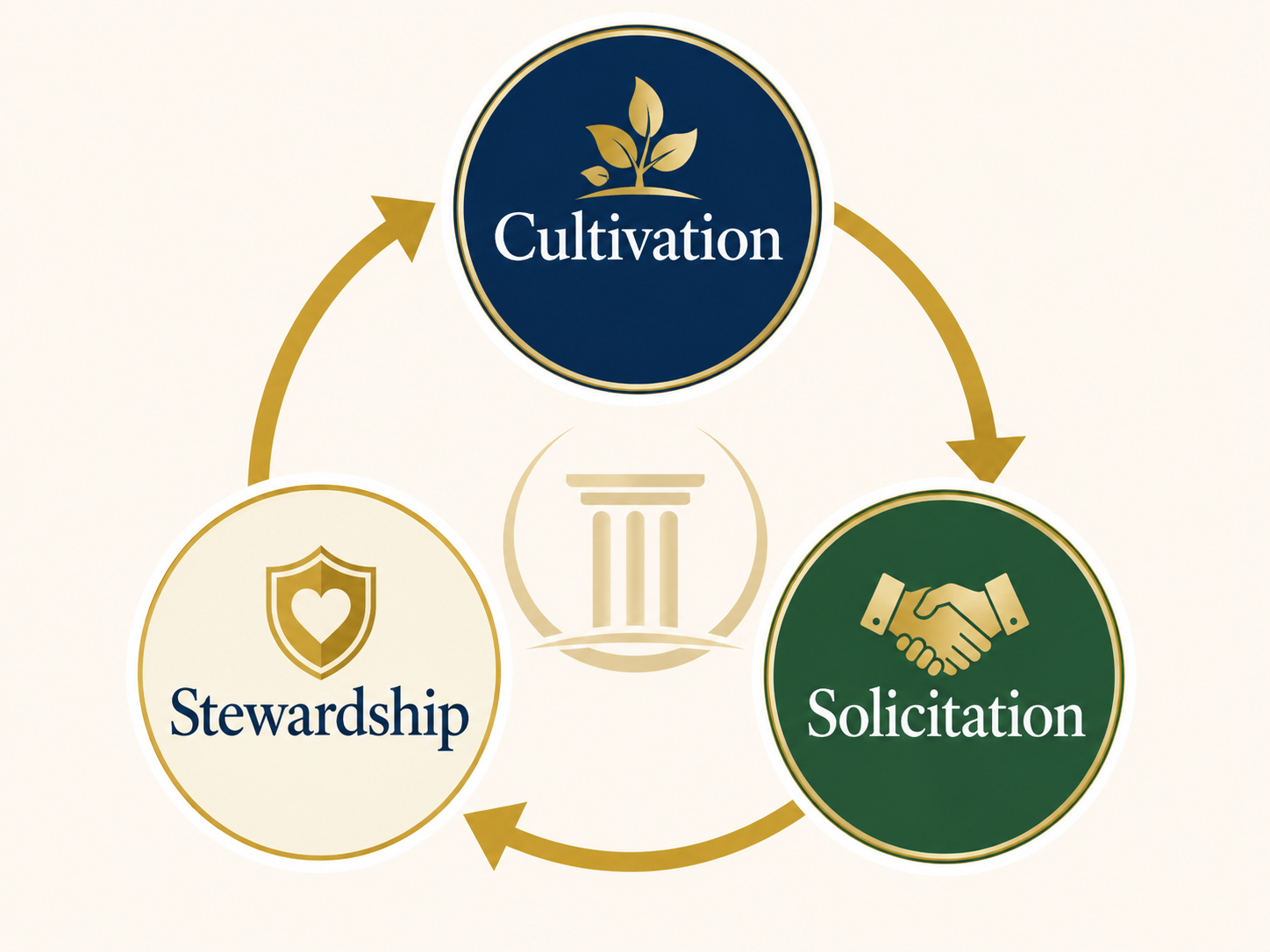
Advancement is more than the ask.
Funding becomes more sustainable when the full rhythm is clear.
CultivationWho needs to hear the story before the ask?
→
SolicitationWhat specific need are we inviting people to support?
→
StewardshipHow do donors hear what happened because they gave?
What changes
What changes when advancement has a system
Communication gets consistent
Families, donors, sponsors, and supporters hear from the organization between asks.
Stewardship happens sooner
Follow-up after gifts, events, and sponsorships becomes part of the plan instead of a loose end.
Board roles get clearer
Board members understand how they can help without being handed vague fundraising pressure.
Campaigns start earlier
Appeals, events, and year-end work are planned before the deadline starts making decisions.
Tracking becomes visible
Open commitments, next steps, donor touches, and stewardship tasks stop living in memory.
The rhythm can be handed off
The work becomes easier for staff, boards, and volunteers to carry over time.
Proof from the field
Shaped inside a real private school environment.
The Waypoint model took shape through advancement work at Celebration Lutheran School. The job was to connect campaign planning, donor communication, board participation, stewardship, sponsorship follow-up, and simple tracking into one rhythm the school could keep running.

Free tool
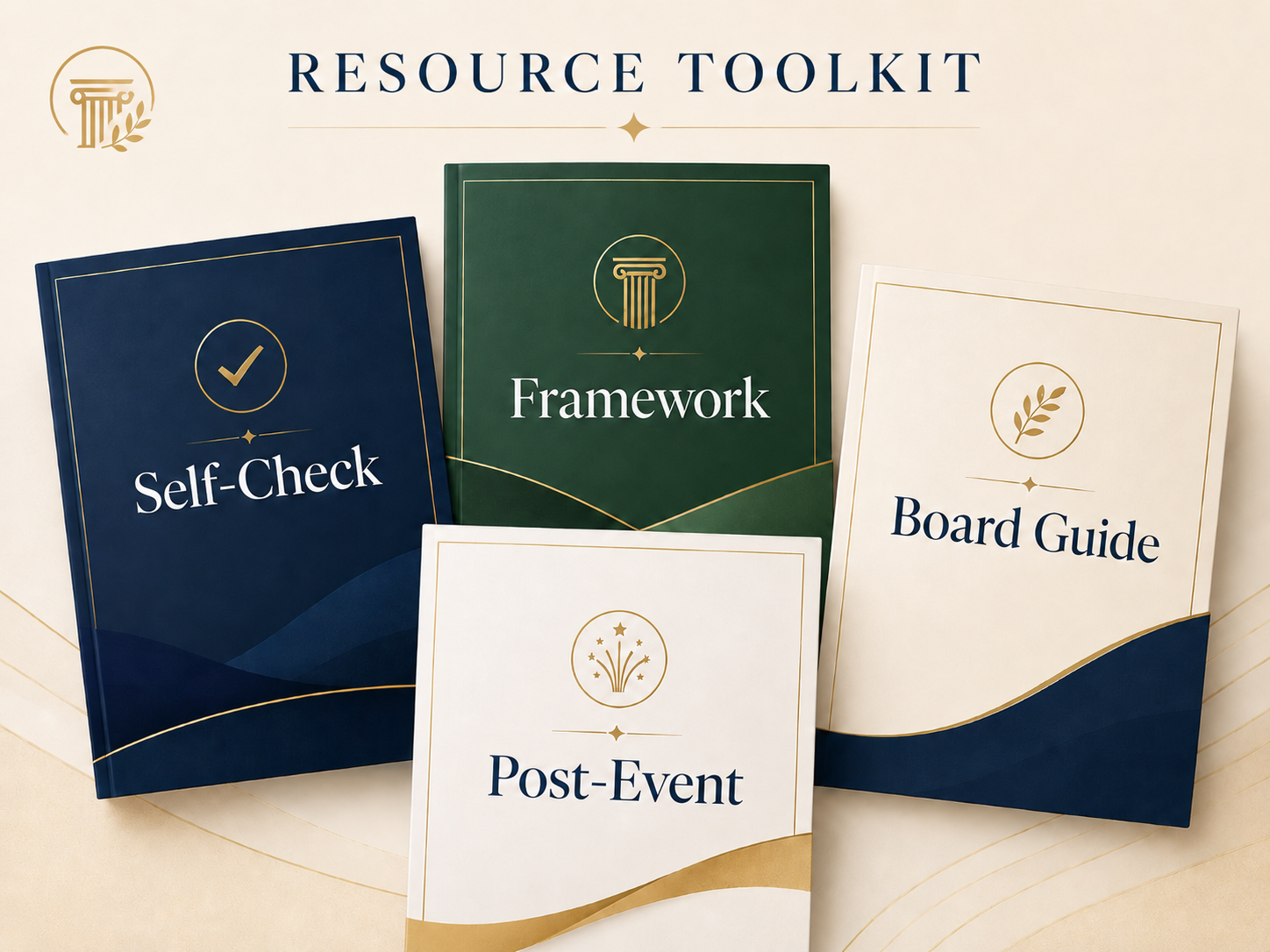
Take the Advancement Readiness Self-Check.
Before your next campaign, answer 12 questions that show where your funding process is breaking down.
The self-check looks at donor communication, stewardship after gifts, board participation, campaign planning, event follow-up, staff ownership, tracking, and your annual rhythm.